
Tájékoztató a horkolás gátló lézeres műtétről - TB támogatott műtét
Egynapos sebészeti műtétek - TB támogatással
Az egynapos sebészeti műtétek díját - az érvényes TAJ kártyával rendelkező betegek számára - a TB fizeti.
A betegség
Az éjszakai horkolás népbetegség, amely a felnőtt lakosság több mint felét érinti, de többé - kevésbé előfordul gyermekeknél is.
A horkolás hangeffektusa egyszerű fizikai jelenségek miatt alakul ki.
Az izmok ellazulása szűkületet okoz a garattérben, emiatt a szükséges levegőmennyiséget nagyobb sebességgel kell belélegezni. A felgyorsult levegőáramlás a lágy szájpadot és a nyelvcsapot meglebegteti, eközben ritmusosan hozzáverődnek a garat hátsó falához. Ezt a zajos vibrációt nevezzük horkolásnak. Az alábbi animációs filmen ennek folyamata látható.
A gyermekkori horkolás kiváltó oka legtöbbször a heveny, vagy krónikus gyulladás következtében megnagyobbodott orr, illetve garatmandula.
Felnőtteknél a túl nagy nyelvcsap és/vagy a laza, tónustalan lágy szájpad alvás közben a hátsó garatfalhoz vibrálva záródik, ennek hangját hívjuk horkolásnak.
Előfordulhat horkolás korlátozott orrlégzés mellett, főleg hanyattfekvő helyzetben, amikor belégzéskor a tüdőben és a légcsőben keletkezett vákuum a nyelvgyököt, és a gégefedőt erőteljesen a hátsó garatfalhoz csapja. Ez egyrészt hangos horkolást okoz, másrészt komoly alvási zavarokhoz vezet (alvási apnoe). A horkolás kialakulásának okait tekintheti meg az alábbi animációs filmen.
Önmagában a horkolás, ha az illetőt magát nem zavarja, nem súlyos betegség, igaz a házasságban, valamint az egyéb partnerkapcsolatokban konfliktusokhoz vezethet. Sok praktikus ellenszer kering a köztudatban, amit feltehetően az alváshiányban szenvedő élettárs fejleszthetett ki. (Pl.: Teniszlabda a hátgerincre ragasztva, hogy ne tudjon a hanyattfekvő horkoló ebben a pozícióban sokáig kényelmesen aludni, illetve különböző cumik alkalmazása, hogy a nyelvgyök ne tudjon hátraesni, és még sorolhatnánk a füldugón keresztül a külön hálószoba kialakításáig).
A probléma ott kezdődik, amikor a horkolás közben rövidebb - hosszabb időre, rendszeresen, vagy rendszertelenül belégzési szünetek jelentkeznek. Egy-egy belégzési szünet eltarthat 1-1.5 percig is, amit bármelyik profi búvár is megirigyelhetne. Ilyenkor a vér oxigén szintje csökken, a széndioxidé emelkedik, egy bizonyos határnál ez feltétlen inger újbóli belégzésre. Eközben a pulzusszám megemelkedik, ami nem kívánt terhet jelent a szív számára. Esetenként felébredünk, de leggyakrabban csak "félálomba" - felszínes alvási periódusba - kerülünk. Ha gyakran történik a légzéskimaradás, soha nem érjük el a kívánt alvás-mélységet, ezért aludhatunk akár 10 órát is, mégis fáradtan kelünk, úgy érezzük nem pihentük ki magunkat, tudnánk még tovább aludni. Napközben fáradtnak érezzük magunkat, csökken a koncentráló, valamint teljesítőképességünk, feledékenyebbé, ingerlékenyebbé válva, idővel egész személyiségünk megváltozhat.
Vizsgálat és konzultáció
Horkolás és alvási apnoe gyanú esetén a problémával fül-orr-gége szakorvoshoz fordulhatunk. A következő vizsgálatokat kell elvégezni a pontos diagnózis felállításához, illetve a megfelelő műtét kiválasztásához.
1. Fül- orr- gégészeti alapvizsgálat
Fül, orr, garat, gége endoszkópos vizsgálata, tympanometria.
2. Alvás közbeni diagnosztikus vizsgálat (Apnea Link vizsgálat)
Segítségével információt kapunk az alvás közbeni horkolásról, a pulzus szám, a vér oxigén szint és légzésszám változásairól. A készülék egy mellkasra szerelhető övből, orrkanülből és pulzoximéterből áll, mely alkalmas az obstruktív (elzáródásos) alvási apnoe (OSAS) szűrésére. A vizsgálathoz a betegnek egy éjszakát kell eltöltenie klinikánk egyik kamerával ellátott kórtermében így alvás közben folyamatosan tudjuk figyelni, a felhelyezett eszköz szabályos működését. Az ébredés után történik a számítógépes kiértékelés.
3. Alvás alatti endoszkópos vizsgálat
Amennyiben a vizsgálat igazolja az időleges elzáródásból, szűkületből adódó alvászavart, ennek helyének pontos meghatározása történik. A vizsgálat műtői körülmények között történik, mely során intravénás narkózisban egy orron át bevezetett flexibilis endoszkóp segítségével győződünk meg a horkolásos hangjelenséget és obstrukciót (elzáródást) okozó anatómiai struktúrák elhelyezkedéséről.
Az alvás közbeni endoszkópos vizsgálat látótérbe hozza panaszok hátterében álló anatómiai eltéréseket, így lehetőség van azok műtéti úton történő célzott kezelésére.
Csak a fizikális vizsgálat, az Apnea link és az alvás közbeni endoszkópos vizsgálat együttes elvégzése tudja megadni a pontos diagnózist, ami alapján az elvégzendő műtét fajtája eldönthető!
A vizsgálatok befejezése után az orvos részletes tájékoztatást ad a betegnek állapotáról és annak kezelési lehetőségeiről. Ekkor esik szó a javasolt műtét típusáról, az egynapos sebészetről, mint speciális ellátási formáról, a műtéthez szükséges laboratóriumi, esetleg egyéb kiegészítő vizsgálatokról, a műtéti érzéstelenítés fajtáiról, a lehetséges szövődményekről, az otthoni ápolási teendőkről, a gyógyulás szakaszairól és a gyógyulás során felmerülő esetleges problémákról. A felvilágosítás során elhangzik minden információ, amely szükséges a beteg számára annak eldöntéséhez, hogy milyen kezelési módot, ill. műtétet válasszon.
A konzultáció során a betegek gyakran felteszik a kérdést: mit tanácsol az orvos, a műtétet vagy a konzervatív kezelést? Ilyenkor két dolgot lehet elmondani a betegeknek: Az egyik, hogy mivel anatómiai elváltozásokról van szó (túl nagy nyelvcsap és/vagy a laza, tónustalan lágy szájpad, megnagyobbodott mandulák, orrmelléküreg polipok stb.) a folyamatot nem lehet konzervatív terápiával (pl. gyógyszerek) megállítani vagy visszafordítani, csak a panaszokat lehet mérsékelni. A másik, hogy az elváltozás okozta panaszokat (fáradtság, kialvatlanság érzés, családi konfliktusok stb.) mindenki másképpen éli meg, ezért kizárólag az egyéni tűrőképesség határozza meg, hogy ki mennyi ideig hajlandó együtt élni ezekkel, ill. mikor határozza el magát a műtétre.
A vizsgálat végén a teljes körű szóbeli felvilágosítás megtörténtét a beteg a tájékoztató jegyzőkönyvének (Vizsgálati lap) aláírásával igazolja.
A kezelés lehetőségei
A gyermekkori horkolás kiváltó oka legtöbbször a heveny, vagy krónikus gyulladás következtében megnagyobbodott orr, illetve garatmandula. Heveny gyulladás esetén a gyógyszeres kezelés hatására a megnagyobbodott mandulák megkisebbednek, krónikus gyulladás következtében megnagyobbodott mandulákat műtéttel távolítjuk el, mindkét esetben a kiváltó ok megszűntével abbamarad a horkolás.
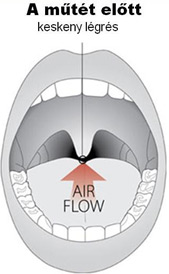
Klinikánkon a túl nagy nyelvcsap és/vagy a laza, tónustalan lágy szájpad esetében lézeres plasztikai műtétet végzünk, ami után a horkolás erőssége jelentősen csökken, vagy megszűnik és a légzéskimaradások is sok esetben eltűnnek vagy enyhébbek lesznek.
 |
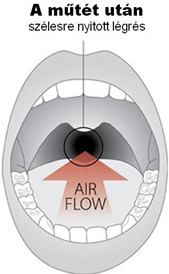 |
A képen jól látható, hogy mivel a műtét során eltávolítottuk a levegő útjából az akadályt, jóval több levegő tud beáramlani belégzésnél a tüdőbe.
Orrlégzési nehezítettségnél (Orrpolip, orrsövényferdülés, allergiás, vagy orrnyálkahártya gyulladás, stb.) az elváltozásokat vagy gyógyszeresen kezeljük, vagy műtéttel oldjuk meg. Sikeres terápia után a belégzési vakum erőssége jelentősen csökkenhet, nagymértékben hozzájárulva a tünetek csökkentéséhez.
A felnőttkori horkolás megszüntetése komplex kezelés, melyhez hozzátartozik a beteg bizonyos szokásainak, életmódjának megváltoztatása. A siker érdekében sajnos le kell mondani az esti alkoholfogyasztásról, a rendszeres altatószerszedésről. Túlsúly esetén, sokat segíthet a fogyás is. Súlyosabb esetekben alvás közben egy szilikon maszkot kell viselni, amelyen keresztül belégzés közben magasnyomású levegő gondoskodik a garat nyitva tartásáról, így az alvás nyugodtabbá kiegyensúlyozottabbá válik.
Műtét előtti teendők
A műtét napján egyeztetett időpontban megjelent beteg hozza magával a laborleleteit, papucsot, hálóinget (pizsamát). Mielőtt lefektetjük a kórterembe egy Megbízási szerződést kell aláírnia, melyben megbízza a klinikát a beavatkozás elvégzésére. Emellett vállalnia kell az otthoni sebkezelést és a megbeszéltek szerinti műtét utáni teendőket. Tekintettel, hogy altatásban történik a műtét, az altatóorvos is megvizsgálja. Ekkor írja alá a "Tájékoztató a műtéti érzéstelenítésről" nyomtatvány altatási beleegyező nyilatkozat mellékletét.
Fontos!
Ha a műtétet altatásban végezzük, előtte való napon éjfélig lehet ételt, italt fogyasztani, a műtétre teljesen éhgyomorral kell érkezni!
A rendszeresen szedett gyógyszereket a szokott időben és dózisban vegye be. A reggeli gyógyszert kevés folyadékkal, otthonában indulás előtt és ha van olyan gyógyszere, amelyet napközben is be kell vennie, azt hozza magával a klinikára!
A műtét
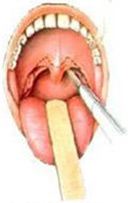
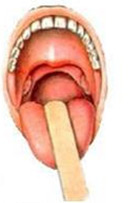
Klinikánkon a horkolás gátló műtétet altatásban, a sebfertőződés és a műtét alatti-utáni vérzés megelőzése, valamint a rendkívül finom műtéttechnika miatt operációs lézerrel végezzük. A lézerfény speciális tulajdonságai miatt nagy energiát képes kis felületen továbbítani, ami a sejtekbe hatolva, azok víztartalmát gőzzé változtatva, mintegy "felrobbantja" a sejtet. A lézersebészetben a nagy pontossággal irányított lézerfény csak a kóros szövetet párologtatja el, miközben annak környezetét megkíméli, ezért gyorsabb a sebgyógyulás. A műtéti területen a 0.5 mm-nél kisebb átmérőjű erek elzáródnak, így a műtét vértelenül végezhető. A műtéti sebbel csak a fény érintkezik, így a műtét alatti a fertőzés kizárt. A műtét során az extrém nagyságú nyelvcsapot és a laza lágy szájpadot a lézerrel megkisebbítjük és mivel nincs vérzés, Nem kell összevarrnunk a nyálkahártyasebet. Az eltávolított szövetek helyén a műtét után "nyitott" nyálkahártyaseb marad, amelyeken keresztül a műtét után keletkező ödéma (vizenyő) zavartalanul ki tud ürülni, nem okoz feszülést, így lényegesen kisebb a műtétet követő napokban jelentkező fájdalom. A sebek 4-6 hét alatt másodlagos sebgyógyulással gyógyulnak, ez azt jelenti, hogy a seb az alapjáról feltelődik, "felsarjad", utána behámosodik. A bal oldali kép a műtét előtti állapotot mutatja, szaggatott vonallal bejelölve az eltávolítandó szöveteket, a jobb oldali képen a műtét utáni állapot látszik.
 |
 |
| Műtét előtt. | Műtét után. |
Műtét utáni teendők
A műtétet általában 6-8 órás megfigyelési idő követi, utána a beteg saját lábán, kísérővel elhagyhatja a klinikát. A műtét után minden esetben természetes, hogy a fájdalom a műtétet követő 5. - 6. napig fokozatosan erősödik. A műtéti terület fájdalmát az általunk felírt többféle fájdalomcsillapító folyamatos szedésével tudja csillapítani. A megerőltetést kerülni kell az első héten. Fontos tudomásul venni, hogy az egynapos sebészet nem azt jelenti, hogy a beteg egy nap alatt meggyógyul, hanem azt, hogy egy napon belül a műtét után otthonába kerül és a gyógyulás szakaszait otthonában tölti. A naponkénti telefonkapcsolat azt a célt szolgálja, hogy a klinika folyamatosan tájékozódjon a beteg állapotáról, ill. bármely szövődmény (vérzés, láz, nyelési nehezítettség) fellépése esetén a szükséges lépéseket meg tudja tenni. Emellett a beteg bármely problémáját, amely a gyógyulás során felmerül, ugyancsak többnyire telefonon keresztül meg tudjuk oldani. Egy hét múlva kontrollvizsgálat szükséges.
A műtét utáni étrend
Minden esetben célszerű elkerülni a szénsavas és alkoholtartalmú italok, valamint a fűszeres vagy durván darabos ételek fogyasztását. Az első napokban madártej, fűszermentes főzelékek, tea, darált párizsi vagy sonka, kis mennyisségben lassan szopogatott fagylalt ajánlható. Általánosságban igaz, hogy az az étel, melynek lenyelése nem okoz fájdalmat, a sebgyógyulás szempontjából is kedvező. Feltétlenül kerülni kell az olyan zöldség vagy gyümölcs nyersen történő fogyasztását, melyek a talajjal érintkezésbe kerülhetnek.
Lehetséges szövődmények
Egy műtéti beavatkozás szövődménymentességét egy orvos sem garantálhatja. A legkörültekintőbb műtéti beavatkozás mellett is megtörténhet utóvérzés, esetleges gyulladás. Azonban ezek, az esetleg előforduló korai szövődmények azonban jól kezelhetők. Ezért bármilyen csekély jelét is tapasztalja bármilyen szövődmény kialakulásának (pl. vérzés, láz), éjjel-nappal utolérheti operáló orvosát, aki gondoskodik annak megoldásáról. Az otthoni gyógyulás szakaszaiban a beteg különböző elváltozásokat észlelhet, amelyek azonban nem mindig kórosak. A sebfájdalom, esetleg hőemelkedés az első napokban, aggodalomra nem adnak okot. Esetenként előfordul pár hétig tartó furcsa érzés, zsibogás, érzéketlenség esetleg fájdalom a kemény szájpadon illetve a metszőfogakban. A késői szövődmények kialakulása a megfelelő technikával, és gondossággal végzett műtéttel előzhetők meg.
További információk
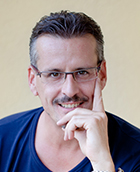
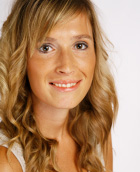
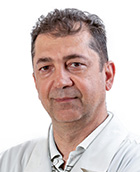
Orvosaink
Az ezen kívül eső időpontokban kérjük használják az online bejelentkezés funkciót, és/vagy keressenek minket e-mailben!
Az ezen kívül eső időpontokban kérjük használják az online bejelentkezés funkciót, és/vagy keressenek minket e-mailben!
Az ezen kívül eső időpontokban kérjük használják az online bejelentkezés funkciót, és/vagy keressenek minket e-mailben!
Miért érdemes a horkolás gátló műtétet nálunk elvégeztetni?
- Fül-orr-gégészetünk Magyarország legrégebben alapított magánklinikáján működik. Bemutatkozás
- Könnyen megközelíthető, központi elhelyezkedés.
- A műtét előtti legteljesebb körű kivizsgálás!
- Rövid várakozási idő a vizsgálatra / műtétre.
- TB támogatott egynapos műtét.
- Gyors, pontos és hatékony műtétek.
- Személyes figyelem és gondoskodás a betegekről.
- Az operáló orvossal a munkaidőn túli kapcsolattartás.