
Tájékoztató a mellnagyobbítás műtétről
Az elváltozás

Kevés nő elégedett a melleivel. Akadnak, akik túl kicsinek, míg mások túl nagynak találják. Nem meglepő tehát, hogy a mellplasztika, ezen belül is a mellnagyobbítás az egyik leggyakoribb esztétikai sebészeti műtétnek számít. A női emlő nagysága, alaki, formai hibái, aszimmetriája, erőteljesebb fogyást, vagy szoptatást követően bőrének mérsékelt megnyúlása, mind jól korrigálható mellimplantátum beültetésével.
Vizsgálat és konzultáció
A műtétet plasztikai sebész szakorvosi vizsgálat előzi meg. A vizsgálat után az operáló orvos elmondja mindazokat a lehetőségeket, amelyeket a műtét tud nyújtani. Az ideális eredmény elérése érdekében az orvossal közösen kell megbeszélniük a megfelelő esztétikai hatást nyújtó mellimplantátum formáját, nagyságát, valamint az egész műtét lefolyását. A várható esztétikai eredményt, a műtét utáni hegek elhelyezkedését fotókon tudja megmutatni.
Ekkor esik szó a műtéthez szükséges laboratóriumi, esetleg egyéb kiegészítő (laboratóriumi, belgyógyászati) vizsgálatokról, a műtéti érzéstelenítés fajtáiról, a lehetséges szövődményekről, az otthoni ápolási teendőkről, a gyógyulás szakaszairól, egyszóval mindazokról az információkról, amelyek szükségesek a beteg számára annak eldöntéséhez, hogy milyen kezelési módot, ill. műtétet válasszon.
A vizsgálat végén a teljes körű szóbeli felvilágosítás megtörténtét a beteg a tájékoztató jegyzőkönyvének (Vizsgálati lap) aláírásával igazolja.
A kezelés lehetőségei
A mellnagyobbítás a mellplasztika egyik legfontosabb területe. A mellnagyobbítás általában az arányos, de az átlagnál kisebb emlő miatt válik szükségessé. A páciensnek őszintén meg kell beszélnie a műtétet végző orvossal elvárásait, de nem szabad elfelejteni, hogy az elvárható eredmény, a jelen állapot javítása és nem a tökéletesen ideális állapot. A mellnagyobbítás megváltoztatja testének kontúrját, az esztétikai műtét javítja külsejét, megteremti önbizalmát.

Az 1960-as évek közepén kifejlesztett mellimplantátumok, szilikon géllel töltött rugalmas zacskók voltak. Az orvosi kutatások és a gyártási technológia fejlődésével megjelentek kettős üregű (szilikon géllel töltött belső tasakból, és ezt körülvevő, steril sóoldattal feltölthető, külső tasakból álló) implantátumok is.
A mellimplantátumokról részletesen itt olvashat.
Az alábbi animációs filmen az emlő formájának változását lehet megtekinteni az implantátum beültetése előtt és a műtét után.
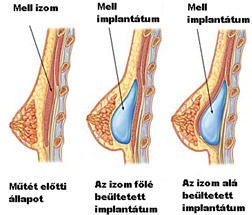
Az implantátumot vagy az izom fölé, tehát közvetlenül a mirigyállomány alá, vagy az izom alá ültetjük be. Ha a mellimplantátumot a mirigyállomány alá ültetjük, a mell szép formájú lesz, de hamar megereszkedhet. Az izom alá ültetett implantátum tartósabban megőrzi a helyzetét, de esetleg az esztétikai eredmény kevésbé jó (pl. ha a páciens mellizomzata fejlettebb az átlagnál).
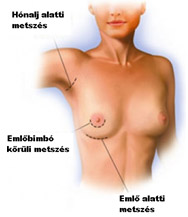
A beültetés történhet az emlőbimbó körüli, hónalji, illetve emlő alatti metszésből. Az emlőbimbó körüli metszés szép heg esetén szinte észrevehetetlen, hiszen a bimbóudvar környéke amúgy is eltérő színű. Ez viszont csak relatíve nagy emlőbimbók esetén lehetséges módszer. A hónaljvágatban viszont ugyan rejtve marad a heg, de az itt futó erek és idegek miatt gyakrabban lépnek fel szövődmények, ezért a leggyakoribb műtéti hely a mell alatti redő. Ebben az esetben egy 3-4 cm-es metszést kell ejteni, mert ezen a résen a legnagyobb implantátum is beültethető.
A műtéti érzéstelenítés
A konzultáció során gyakran kérnek tanácsot az érzéstelenítés módjával kapcsolatban: helyi érzéstelenítést vagy altatást javasolok? Segítségként azt szoktam ilyenkor elmondani, hogy a mellnagyobbító műtétnél, tekintet nélkül arra, hogy a milyen metszésből helyezzük be az implantátumot, általában az altatás jön szóba. Bár a műtéti érzéstelenítés kiválasztásánál nagyon fontos a beteg egyéni érzékenysége, de ezen kívül fontos tényező a műtét súlyosságának a foka is.
Műtét előtti teendők
A műtét napján egyeztetett időpontban megjelent beteg hozza magával a laborleleteit, papucsot, hálóinget (pizsamát). Mielőtt lefektetjük a kórterembe egy Megbízási szerződést kell aláírnia, melyben megbízza a klinikát a beavatkozás elvégzésére. Emellett vállalnia kell az otthoni sebkezelést és a megbeszéltek szerinti műtét utáni teendőket. Ha altatásban vagy helyi érzéstelenítéssel kombinált altatásban történik a műtét - az altatóorvos is megvizsgálja. Ekkor írja alá a "Tájékoztató a műtéti érzéstelenítésről" nyomtatvány altatási beleegyező nyilatkozat mellékletét.
Fontos!
Ha a műtétet érzéstelenítéssel kombinált altatásban végezzük, előtte való napon éjfélig lehet ételt, italt fogyasztani, a műtétre teljesen éhgyomorral kell érkezni!
A rendszeresen szedett gyógyszereket a szokott időben és dózisban vegye be. A reggeli gyógyszert kevés folyadékkal, otthonában indulás előtt és ha van olyan gyógyszere, amelyet napközben is be kell vennie, azt hozza magával a klinikára.
A műtét
A műtétet minden esetben altatásban végezzük. Az implantátumot a mirigy állomány vagy a mellizom alá ültetjük be, a műtéti behatolás történhet az emlő alatti redőben, a hónaljárok felől, vagy a bimbó udvaronát vezetett metszésből.
Az alábbi animációs filmen az emlő alatti metszésből behelyezett implantátum műtétet lehet megtekinteni.
Az alábbi animációs filmen a hónalj alóli metszésből behelyezett implantátum műtétjét lehet megtekinteni.
Az alábbi animációs filmen az emlő bimbó körüli metszésből behelyezett implantátum műtétjét lehet megtekinteni.
Ezt követően vérzéscsillapítás után réteges sebzárást végzünk, a bőrt minden esetben plasztikai varrattal zárjuk, ezt lehet megtekinteni az alábbi animációs filmen.
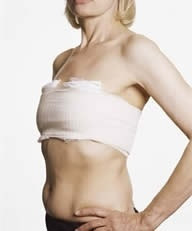
A műtét végén kompressziós kötést helyezünk fel a mellkasra.
Műtét utáni teendők
A műtétet általában 6-8 órás megfigyelési idő követi, amely alatt az élettani funkciók stabilizálódnak (vérnyomás, vizelet) és a beteg a saját lábán, kísérővel elhagyhatja a klinikát. A műtét végén rugalmas kötést helyezünk fel, amit egy hétig viselnie kell. A műtét után fájdalomcsillapítás szükséges néhány napig. Az első egy hétben tartózkodni kell a fizikai megterheléstől, de állandó ágynyugalom nem szükséges.
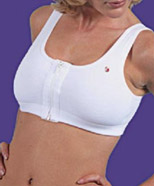
Az első hét után, a szoros kötés cserélhető rugalmas sport melltartóra, amit további öt hétig kell viselni, annak érdekében, hogy az implantátum a műtétnél kialakított helyzetben rögzüljön.
A varratokat két-három hét múlva távolítjuk el. A beavatkozás után 2-3 hétig feszítő érzés észlelhető, ez azonban néhány hét alatt megszűnik, és a páciens megszokja a protézis által okozott feszülést és súlytöbbletet. A műtét után a beteget rendszeresen ellenőrizzük, e vizsgálatok alkalmával beszéljük meg az aktuális tennivalókat, például a műtét utáni masszírozás elkezdését és módját, ami a kapszula képződés megelőzésére az egyik legbeváltabb módszer.
Az alábbi videón megtekintheti a masszírozás technikáját:
A műtét előtti és utáni fotókat itt tekintheti meg.
Lehetséges szövődmények
Valamely beavatkozás abszolút szövődménymentességét egy orvos sem garantálhatja. A leggondosabb orvosi beavatkozás után is kialakulhat szövődmény. A lehetséges korai szövődmények: ödéma, vérömleny, utóvérzés, nagyobb vérveszteség, gyulladás, ér-, idegsérülés, érgyulladás, tüdőembólia, zsírembólia, bőrelhalás, idejében felismerve, jól kezelhetők. Ezek felismerését szolgálja a műtét utáni megfigyelés. A klinikáról való távozás után, otthonában bármilyen csekély jelét is tapasztalja szövődmény kialakulásának, azonnal értesítse operáló orvosát, aki gondoskodik a szövődmény megoldásáról. Késői szövődmény a kóros hegképződés, a "túlhegesedés", vagy keloid képződés. Ez utóbbit a műtéttől számított három hónapon belül injekciós kezeléssel lehet megszüntetni. A hagyományos sebészeti szövődményeken kívül az implantátum beültetése után speciális szövődmények is kialakulhatnak, erről részletesen itt olvashat.
További információk
Orvosaink

Miért érdemes a mellnagyobbítást nálunk elvégeztetni?
- Plasztikai sebészetünk Magyarország legrégebben alapított magánklinikáján működik. Bemutatkozás
- Könnyen megközelíthető, központi elhelyezkedés.
- Telefonos előjegyzés a vizsgálatra.
- Rövid várakozási idő a vizsgálatra / műtétre.
- Gyors, pontos és hatékony műtét.
- Személyes figyelem és gondoskodás a betegekről.
- Optimális ár-érték arány.
- Az operáló orvossal a munkaidőn túli kapcsolattartás.