
Tájékoztató az orrplasztika műtétről
Az elváltozás
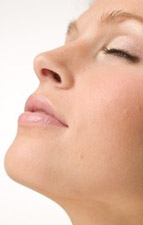
Az arc harmóniáját megbontó, előnytelen formájú és nagyságú orr hátrányos helyzetbe hozhatja tulajdonosát az élet különböző területein. Az orr, az arc egyik meghatározó, leginkább szembeötlő része, ezért formai eltérései, zavaró elváltozásai súlyos pszichés problémát okozhatnak. Ezek lehetnek veleszületett, vagy szerzett (pl. trauma utáni) orr deformitások. Az eltérés méretbeli (túl nagy, túl kicsi), alaki (horgas, kampós, pisze, széles, ferde, stb.), valamint anatómiai (orrsövényferdülés, szűk, deformált orrnyílás) lehet, okozhat esztétikai, valamint funkcionális panaszokat (pl. légzési nehezítettség). Az orrplasztikai műtét ezeket a problémákat hivatott megoldani.
Vizsgálat és konzultáció
A műtétet plasztikai sebész szakorvosi vizsgálat előzi meg. A vizsgálat után a beteg elmondja, hogy milyen eredményt vár a műtéttől, az operáló orvos elmondja mindazokat a lehetőségeket, amelyeket a műtét tud nyújtani. A várható esztétikai eredményt, a műtét utáni hegek elhelyezkedését fotókon tudja megmutatni. Ezután esik szó a műtéthez szükséges laboratóriumi, esetleg egyéb kiegészítő (laboratóriumi, belgyógyászati) vizsgálatokról, a műtéti érzéstelenítés fajtáiról, a lehetséges szövődményekről, az otthoni ápolási teendőkről, a gyógyulás szakaszairól, egyszóval mindazokról az információkról, amelyek szükségesek a beteg számára annak eldöntéséhez, hogy milyen kezelési módot, ill. műtétet válasszon. A vizsgálat végén a teljes körű szóbeli felvilágosítás megtörténtét a beteg a tájékoztató jegyzőkönyvének (Vizsgálati lap) aláírásával igazolja.
A kezelés lehetőségei
A panaszok többségét műtéti úton korrigálni lehet. A páciensnek őszintén meg kell beszélnie a műtétet végző plasztikai sebésszel az elvárásait, de nem szabad elfelejteni, hogy az elvárható eredmény a forma, a kontúr javítása, és soha nem a tökéletesen ideális állapot. Az orrplasztika műtét javítva külsejét, visszaadja önbizalmát, nehezített orrlégzés esetén pedig megoldja a problémát. Fontos, hogy a műtéttel kapcsolatos elvárások ne legyenek irreálisak. Nem lehet minden, a páciens által megálmodott változást a műtéttel megoldani. Ennek egyrészt műtéttechnikai korlátjai vannak, másrészt a páciens által elképzelt, de az egész arc harmóniájába biztosan nem illeszkedő változást eredményező műtétet nem szabad végrehajtani. Esztétikailag sikeresnek akkor nevezhetjük az orrkorrekciót, ha az új orrforma harmonikusan illeszkedik az arc külső megjelenési formájába.
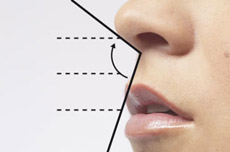
Az orrplasztika az orr alaki hibáit javító műtéti beavatkozás, mely szükség szerint az orr csontos - és/vagy porcos vázának átalakítását, a lágyrészeknek (orrszárnyak, orrbemenet) az új vázhoz idomítását, ezáltal az orrnak a kívánt alakra formálását jelenti. A sebész elsősorban az orr vázának formáját tudja alakítani, bizonyos lágyrész-elváltozások is korrigálhatók, azonban az orr bőrének mennyiségét változtatni csak látható hegek árán lehetne, ezért azt általában nem is tesszük meg, csak ha feltétlenül szükséges. Az orr bőre az új formához hozzáidomul, zsugorodik, de ez a folyamat hetekig, hónapokig tart.
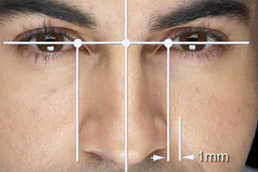
Amennyiben a páciensnek olyan fokú orrsövény-ferdülése van, amely orrlégzési panaszt okoz, vagy a korrekciós műtétet akadályozza, a problémát a műtét előtt vagy azzal egy időben végzett orrsövény műtéttel meg kell oldani. Ez tulajdonképpen egy műtéten belül közvetlenül egymás után végzett két beavatkozást jelent, melynek során a fül-orr-gégész szakorvos először elvégzi a ferde orrsövény helyreállítását, majd a plasztikai sebész az orrkorrekciót. A műtét utáni időszak annyiban más, mint az egyszerű orrkorrekció után, hogy az orrtampon itt hosszabb ideig (2-3 napig) marad az orrban. Ferde orr esetén, amikor orrsövény-ferdülés is fennáll, a végleges eredmény is nehezebben jósolható meg. Előfordulhat, hogy a hegesedés következtében az orr tengelye az arc középvonalától eltér.
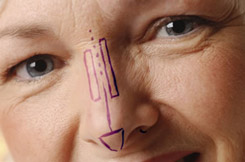
A korrekciós orrműtétet fiatal korban csak a növekedés befejeződése után szabad végezni! A műtét végzésének alsó korhatára általában 18 év. Az orrkorrekció a legtöbb esetben az addig meglévő pszichés problémák megoldását is jelenti. Ennek megfelelően a sikeres orrplasztika a páciens számára külső megjelenése és önbizalma, a társadalomban és a magánéletben való boldogulása szempontjából rendkívül pozitív változást eredményez.
Az alábbi animációs filmen megtekintheti, hogy miképp alakítható az orr formája a műtéttel:
A műtéti érzéstelenítés
A konzultáció során gyakran kérnek tanácsot az érzéstelenítés módjával kapcsolatban: helyi érzéstelenítést vagy altatást javasolok? Segítségként azt szoktam ilyenkor elmondani, hogy ha kisebb beavatkozást tervezünk, azt helyi érzéstelenítésben is el lehet végezni, de ha az orr csontos vázát is érinti a műtét, akkor már - tekintettel a műtét hosszúságára és súlyosságára - altatásban végezzük. Bár a műtéti érzéstelenítés kiválasztásánál nagyon fontos a beteg egyéni érzékenysége, de ezen kívül fontos tényező a műtét súlyosságának a foka is.
Műtét előtti teendők
A műtét napján egyeztetett időpontban megjelent beteg hozza magával a laborleleteit, papucsot, hálóinget (pizsamát). Mielőtt lefektetjük a kórterembe egy Megbízási szerződést kell aláírnia, melyben megbízza a klinikát a beavatkozás elvégzésével. Emellett vállalnia kell az otthoni sebkezelést és a megbeszéltek szerinti műtét utáni teendőket. Ha altatásban vagy helyi érzéstelenítéssel kombinált altatásban történik a műtét - az altatóorvos is megvizsgálja. Ekkor írja alá a "Tájékoztató a műtéti érzéstelenítésről" nyomtatvány altatási beleegyező nyilatkozat mellékletét.
Fontos!
Ha a műtétet érzéstelenítéssel kombinált altatásban végezzük, előtte való napon éjfélig lehet ételt, italt fogyasztani, a műtétre teljesen éhgyomorral kell érkezni!
A rendszeresen szedett gyógyszereket a szokott időben és dózisban vegye be. A reggeli gyógyszert kevés folyadékkal, otthonában indulás előtt és ha van olyan gyógyszere, amelyet napközben is be kell vennie, azt hozza magával a klinikára.
A műtét
Az orrplasztika műtét lényege az orr, csontos és porcos vázának a kívánt formára történő alakítása, és ennek a helyzetnek, mint végleges állapotnak a megtartása.
A teljes orrkorrekció azt jelenti, hogy az orrnak a csontos és a porcos vázát, illetve a hozzá tartozó lágyrészeket is korrigálni kell. Az orr csontos részén végzett korrekciós beavatkozások minden esetben szükségessé teszik az orr porcos részének bizonyos fokú korrekcióját is.
Az alábbi animációs filmen a teljes orrkorrekció műtétjét tekintheti meg:
Részleges orrkorrekció csak az orr porcos részeinek, az orrcsúcsnak, esetleg az orrszárnyak lágyrészeinek korrekcióját jelenti.
Az alábbi animációs filmen a részleges orrkorrekció műtét főbb lépéseit lehet megtekinteni.
A másodlagos orrkorrekció egy vagy több nem teljes sikerrel végzett orrplasztikai műtéten már átesett orr ismételt korrekciója. Az ilyen műtét mindig bonyolultabb, technikailag nehezebb, mint az első műtét, mivel a műtéti terület heges, a szövetek egy része hiányozhat, más részük nem a megfelelő helyen található. A gyógyulás is elhúzódóbb lehet ilyen esetekben.
A műtéti behatolás a legtöbb esetben kizárólag az orr belsejében van, ezáltal a gyógyulás után külső heg nem látszik. Kivételt jelent az orrszárny kisebbítési műtét, amely során az orrszárnyak tapadási helyén is történik megfelelő méretű bőrkimetszés, ez a gyógyulás után, vékony, vonalszerű hegként jelentkezik. Ritkán, főleg másodlagos orrkorrekcióknál szükséges a két orrnyílást elválasztó bőrhídon is ejteni metszést.
Az átlagos műtéti idő kb. egy óra. Másodlagos orrplasztika vagy bonyolultabb orrkorrekció akár 2-3 órán át is eltarthat.
Ha egyidejűleg orrsövény ferdülés is fennáll, a műtéteket célszerű egyszerre végezni: a fül - orr - gégész szakorvos elvégzi az orrsövény korrekcióját, majd ezt követően a plasztikai sebész az orr látható részének deformitását korrigálja. Az orrplasztikát követően a műtét végén az orrnyílásokba tampont helyezünk, és az orrot kívülről gipszsínnel rögzítjük.
Műtét utáni teendők
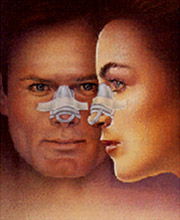
A műtét után egy éjszakát a klinikán kell tölteni, s másnap reggel panaszmentesség esetén kísérővel hazabocsátjuk, a műtét végén behelyezett tamponokat is általában ekkor távolítjuk el. Műtét után a két szem körül vérömleny, duzzanat keletkezik, a szemhéjak is megkékülnek, megduzzadnak. Műtét után pár napig félig ülő helyzetben ajánlatos aludni, hogy a duzzanatok kialakulását lehetőség szerint mérsékeljük. A duzzanat és az elszíneződés egy hét elteltével mérséklődik. Az orrkorrekció alkalmával felhelyezett rögzítő kötés megnyomhatja az orr bőrét. Ritkán tartósan elszíneződött vagy heges maradhat a bőr. A seb környékén illetve az orrcsúcson érzészavart, érzéskiesést vagy a vártnál erősebb fájdalomérzést eredményezhet az idegszálak meghúzódása, sérülése vagy átvágása. Teljes panaszmentesség hetek, hónapok múlva várható ezekben az esetekben is. Ha az orrsövényműtétet az orrkorrekciós műtéttel együtt végeztük felléphet a műtét utáni időszakban az orrsövény műtét sebének pörkösödése; ez orrkenőcs használatát teszi szükségessé. Műtét után három hétig tilos orrot fújni, fizikai munkát végezni, alkoholt fogyasztani, forró, csípős és fűszeres ételeket enni. Napozás kb. hat hétig kerülendő. A vérömlenyek felszívódási ideje kb. 2-3 hét, mely után az orr kissé még duzzadt marad. A gipszkötést egy hét múlva távolítjuk el. A belső varratokhoz felszívódó varróanyagot használunk, így varratszedés nem szükséges. A külső varratot egy hét múlva, a gipszlevétellel együtt távolítjuk el. A műtét után hat hétig sportolás nem ajánlott. Részleges orrplasztika esetén az orr csontos vázát a műtét nem érinti, így gipszrögzítés nem mindig szükséges. Részleges műtét esetén kisebb a duzzanat, bevérzés, rövidebb a gyógyulási idő. Egyebekben ugyanazok a tudnivalók érvényesek a műtét utáni időszakra, mint a teljes orrkorrekciónál. Az orr végleges formája csak kb. egy év alatt alakul ki, mivel ahhoz, hogy a bőr és a lágyrészek megfelelően idomuljanak az alatta megváltozott csontos-porcos vázhoz, ennyi időre van szükség. Az orr végleges formájának kialakulása 80-90 %-ban magától a műtéttől, 10-20%-ban a szervezet saját reakcióitól, elsősorban a belső hegesedéstől függ. A hegesedés néha nem kívánatos kontúrokat, aszimmetriákat eredményezhet, amelyek azonban a műtétet követő év lefolyása során változó formában jelenhetnek meg, egyre fokozódhatnak, de el is tűnhetnek. Amennyiben egy év elteltével is marad fenn esztétikailag zavaró elváltozás, akkor egy újabb, kisebb beavatkozással egyszerűen megszüntethető. Orrkorrekciós műtét után egy éven belül nem szabad újabb műtétet végezni, mert annak eredménye kiszámíthatatlan! nem szabad egy újabb korrekciós műtétet sürgetni!
A műtét előtti és utáni fotókat ide kattintva tekintheti meg.
Lehetséges szövődmények
Valamely beavatkozás szövődménymentességét egy orvos sem garantálhatja. A leggondosabb orvosi beavatkozás után is kialakulhatnak szövődmények. A korai szövődmények: utóvérzés, gyulladás, idejében felismerve, jól kezelhetők. Ezeknek a felismerését szolgálja a műtét utáni 4-6 órás megfigyelés. A klinikáról való távozás után, otthonában bármilyen csekély jelét is tapasztalja szövődmény kialakulásának, azonnal értesítse operáló orvosát, aki gondoskodik a szövődmény megoldásáról. Késői szövődmény a bőr elhalás, a porc elhalás, ideiglenes érzés kiesés, légzési nehezítettség, a kóros hegképződés, a "túlhegesedés", vagy keloid képződés. Ez utóbbit, a műtéttől számított három hónapon belül injekciós kezeléssel lehet megszüntetni. Az egyéb esztétikai szövődmény: a felületi kontúr egyenetlenség, az aszimmetria, a bőrszín elváltozás, a korrekt műtéti technikával kerülhetők el. Az eljárás más műtétekhez hasonlóan veszélyeket rejt magában, de elterjedt beavatkozás a klinikánkon és a páciensek minden esetben elégedetten távoznak.
További információk
Orvosaink

Az ezen kívül eső időpontokban kérjük használják az online bejelentkezés funkciót, és/vagy keressenek minket e-mailben!
Miért érdemes az orrplasztikát nálunk elvégeztetni?
- Plasztikai sebészetünk Magyarország legrégebben alapított magánklinikáján működik. Bemutatkozás
- Könnyen megközelíthető, központi elhelyezkedés.
- Telefonos előjegyzés a vizsgálatra.
- Rövid várakozási idő a vizsgálatra / műtétre.
- Gyors, pontos és hatékony műtét.
- Személyes figyelem és gondoskodás a betegekről.
- Optimális ár-érték arány.
- Az operáló orvossal a munkaidőn túli kapcsolattartás.