Tájékoztató az orrsövényferdülés műtétről - TB támogatott műtét
Egynapos sebészeti műtétek - TB támogatással
Az egynapos sebészeti műtétek díját - az érvényes TAJ kártyával rendelkező betegek számára - a TB fizeti.
A betegség
Az orrsövény porcból és csontból álló, nyálkahártyával fedett lemez, amely az orrüreg középvonalában válaszfalat alkot a jobb és a bal oldali orrüreg között. A fejlődés során azonban a csontos és a porcos orrsövény különböző mértékben növekszik, ennek következtében pedig a két rész találkozásánál gyakran alakulnak ki különböző fokú elferdülések.

Amennyiben a középvonaltól való eltérés valamelyik irányba jelentős, az egyik orr fél szűkebb, a másik tágabb lesz. Az alábbi ábrán látható "S" alakú ferdülés mindkét orr felet egyaránt szűkíti, akadályozva légzésnél a levegő szabad áramlását.

Kismértékű orrsövényferdülés rendszerint nem okoz panaszokat. Az orrüreget lényegesen szűkítő ferdülések viszont akadályozzák az orrlégzést, ami nem csupán kellemetlen következmény, de számos más betegség előidézője is lehet (pl. alvási légvétel hiány).
Mivel orrsövényferdülés esetén nehezítetté válik az arcüreg szellőzése, gyakoribbá válik az arcüreggyulladás, illetve gyakoribb a középfülgyulladás kialakulása is. A normális, orron át történő légzés akadályozottsága miatt előtérbe kerül a szájlégzés, ez pedig garat- és gégehurutra, valamint alsó légúti fertőzésekre hajlamosít. Az orrsövény ferdesége olykor az orr külső alakján is látható, lehet az egész orr tengelye ferde, máskor a sövény alsó éle valamelyik orrnyílásban aszimmetrikusan megjelenik.
A legfontosabb tünetek - a teljesség igénye nélkül - amikor már érdemes orvoshoz fordulni:
- a megfázás nélküli egy vagy kétoldali - esetleg váltakozó oldali - orrdugulás
- szaglási zavarok
- horkolás
- gyakori fejfájás az orrmelléküregek felett
- a náthás periódusok vagy a melléküreg panaszok elhúzódása, gyakori visszatérése
- orrhang
- rossz szájszag, reggeli torokszárazság
- gyakori kellemetlen orr-, torok-, garatváladék képződés
A fent felsorolt tüneteket - persze más tényezők is okozhatják.
Vizsgálat és konzultáció
Az orrsövény műtéteket minden esetben fül-orr-gégész szakorvosi vizsgálat előzi meg. A műtéti indikáció eldöntéséhez fizikális vizsgálatra, endoszkópos vizsgálatra, röntgen felvételekre, CT vizsgálatra esetleg egyéb kiegészítő vizsgálatokra lehet szükség. A vizsgálatok befejezése után az orvos részletes tájékoztatást ad a betegnek állapotáról és annak kezelési lehetőségeiről. Ekkor esik szó a javasolt műtét típusáról, az egynapos sebészetről, mint speciális ellátási formáról, a műtéthez szükséges laboratóriumi, esetleg egyéb kiegészítő vizsgálatokról, a műtéti érzéstelenítés fajtáiról, a lehetséges szövődményekről, az otthoni ápolási teendőkről, a gyógyulás szakaszairól és a gyógyulás során felmerülő esetleges problémákról. A felvilágosítás során elhangzik minden információ, amely szükséges a beteg számára annak eldöntéséhez, hogy milyen kezelési módot, ill. műtétet válasszon.
A konzultáció során mindig a beteggel közösen választjuk ki a műtéti érzéstelenítés fajtáját. Az orrsövény műtétet szövetkímélő technikával végezzük. A rendkívül finom, precíz műtéti technika teljes mozdulatlanságot kíván, ezért a műtétet mindig altatásban végezzük. Bár a műtéti érzéstelenítés kiválasztásánál nagyon fontos a beteg egyéni érzékenysége, de ezen kívül fontos tényező a betegség súlyosságának a foka.
A vizsgálat végén a teljes körű szóbeli felvilágosítás megtörténtét a beteg a tájékoztató jegyzőkönyvének (Vizsgálati lap) aláírásával igazolja.
A kezelés lehetőségei
Végleges megoldásként csak az orrsövény műtét jön szóba. Mivel nem minden orrsövényferdülés vezet panaszokhoz, a műtéti javallatot nagy körültekintéssel kell felállítani.
Gyermekeknél 16-18 éves korig, a még fennálló csontos növekedés miatt a műtét csak igen súlyos, speciális esetekben vállalható.

Műtét előtti teendők
A műtét napján egyeztetett időpontban megjelent beteg hozza magával a laborleleteit, papucsot, hálóinget (pizsamát). Mielőtt lefektetjük a kórterembe egy Megbízási szerződést kell aláírnia, melyben megbízza a klinikát a beavatkozás elvégzésére. Emellett vállalnia kell az otthoni sebkezelést és a megbeszéltek szerinti műtét utáni teendőket. Ha altatásban vagy helyi érzéstelenítéssel kombinált altatásban történik a műtét - az altatóorvos is megvizsgálja. Ekkor írja alá a "Tájékoztató a műtéti érzéstelenítésről" nyomtatvány altatási beleegyező nyilatkozat mellékletét.
Fontos!
Ha a műtétet altatásban végezzük, előtte való napon 24 óráig lehet ételt, italt fogyasztani, a műtétre teljesen éhgyomorral kell érkezni!
A rendszeresen szedett gyógyszereket a szokott időben és dózisban vegye be. A reggeli gyógyszert kevés folyadékkal, otthonában indulás előtt és ha van olyan gyógyszere, amelyet napközben is be kell vennie, azt hozza magával a klinikára!
A műtét
Az elferdült orrsövény plasztikája során az egyik orrjárat bemenetében, aránylag elölről - kívülről nem látható helyen - ejtjük a műtéti metszést, amin keresztül az orrsövény elferdült porca egészen kiegyenesíthető, visszaépíthető, eltávolításra csak a többletet okozó részek kerülnek, még a kívülálló számára is látható elülső, úgynevezett "kificamodott", ferde orrbemenetet is szimmetrikussá lehet varázsolni. A műtét után az orr statikája, az orrhát, az orrcsúcs alakja nem változik.
Az esetek igen kis részében, amikor a szűkületet egy hátulsó sövényferdülés okozza, alkalmazhatjuk a ferdült orrsövény részleges eltávolításának műtétjét, ahol a metszés jóval beljebb, az orrjáratban történik és a mögötte elhelyezkedő szűkületet okozó orrsövény teljes egészében eltávolításra kerül. Műtéti idő: 30-40 perc.
Mindkét esetben a műtét után tampon kerül mindkét orrjáratba, ami általában a műtétet követő második napon veszünk ki. Ez idő alatt sajnos az orron keresztül nem tud a beteg lélegezni.
Műtét utáni teendők
A tampon eltávolítása után rövid ideig tartó vérzés előfordulhat, pár napig sűrű váladék, alvadt vér ürülhet az orrból, ami normális folyamat. Az orrot nem szabad erősen fújni. Egy hétig orrkenőcsöt, orr olajat kell a gyorsabb nyálkahártya regeneráció érdekében használni.
A betegnek a szájon át történő légzés miatt gyorsabban szárad ki a szája, ezért igen sokat kell inni, lehetőség szerint a helységben, ahol tartózkodik, párásítani. Kerülni kell a túlzott szénsavas italokat és a csípős ételeket. Mindennemű erős fizikai munka, hajolás, emelés, sportolás kerülendő, mert növelheti az orrban lévő vérnyomást, így utóvérzést, orrsövény vérömlenyt okozhat. Ugyanilyen meggondolásból kerülendő a forró ülőfürdő, ehelyett gyors zuhanyozás javasolt. A műtéti terület fájdalmát az általunk felírt többféle fájdalomcsillapító folyamatos szedésével tudja csillapítani. A megerőltetést kerülni kell az első héten. Fontos tudomásul venni, hogy az egynapos sebészet nem azt jelenti, hogy a beteg egy nap alatt meggyógyul, hanem azt, hogy egy napon belül a műtét után otthonába kerül és a gyógyulás szakaszait otthonában tölti. A naponkénti telefonkapcsolat azt a célt szolgálja, hogy a klinika folyamatosan tájékozódjon a beteg állapotáról, ill. bármely szövődmény (vérzés, láz, nyelési nehezítettség) fellépése esetén a szükséges lépéseket meg tudja tenni. Emellett a beteg bármely problémáját, amely a gyógyulás során felmerül, ugyancsak többnyire telefonon keresztül meg tudjuk oldani. Egy hét múlva kontrollvizsgálat szükséges.
A teljes gyógyulási idő kb. 2-3 hét. Sportolás csak 3 hét elteltével javasolt.
 |
 |
| Műtét előtt. | Műtét után. |
Lehetséges szövődmények
Egy műtéti beavatkozás szövődménymentességét egy orvos sem garantálhatja. A legkörültekintőbb műtéti beavatkozás mellett is megtörténhet a tampon kivétele utáni utóvérzés, esetleges gyulladás, a porchártyák közé vérömleny szivároghat. Azonban ezek, az esetleg előforduló korai szövődmények azonban jól kezelhetők. Ezért bármilyen csekély jelét is tapasztalja bármilyen szövődmény kialakulásának (pl. vérzés, láz), éjjel-nappal utolérheti operáló orvosát, aki gondoskodik annak megoldásáról. Az otthoni gyógyulás szakaszaiban a beteg különböző elváltozásokat észlelhet, amelyek azonban nem mindig kórosak. A sebfájdalom, esetleg hőemelkedés az első napokban, aggodalomra nem adnak okot. Esetenként előfordul pár hétig tartó furcsa érzés, zsibogás, érzéketlenség esetleg fájdalom az orrháton, a kemény szájpadon illetve a metszőfogakban. A késői szövődmények kialakulása a megfelelő technikával, és gondossággal végzett műtéttel előzhetők meg.
További információk
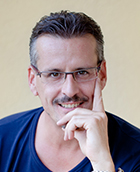
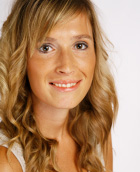
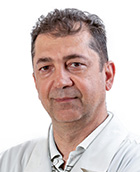
Orvosaink
Az ezen kívül eső időpontokban kérjük használják az online bejelentkezés funkciót, és/vagy keressenek minket e-mailben!
Az ezen kívül eső időpontokban kérjük használják az online bejelentkezés funkciót, és/vagy keressenek minket e-mailben!
Az ezen kívül eső időpontokban kérjük használják az online bejelentkezés funkciót, és/vagy keressenek minket e-mailben!
Miért érdemes az orrsövény műtétet nálunk elvégeztetni?
- Fül-orr-gégészetünk Magyarország legrégebben alapított magánklinikáján működik. Bemutatkozás
- Könnyen megközelíthető, központi elhelyezkedés.
- Telefonos előjegyzés a vizsgálatra.
- Rövid várakozási idő a vizsgálatra / műtétre.
- TB támogatott egynapos műtét.
- Gyors, pontos és hatékony műtétek.
- Személyes figyelem és gondoskodás a betegekről.
- Az operáló orvossal a munkaidőn túli kapcsolattartás.