
Tájékoztató a szemhéjplasztika műtétről
Az elváltozás
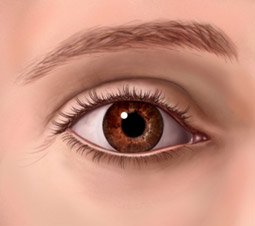
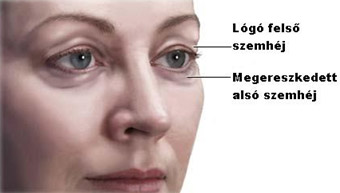
Az alsó és felső szemhéj bőre nagyon vékony, a bőr alatti kötőszöveti állomány pedig kevés kötőszöveti rostot tartalmaz, ezért a különböző külső, környezeti behatások és az öregedés genetikailag meghatározott folyamata miatt viszonylag korán jelentkezhetnek az esztétikai panaszok. A felső és az alsó szemhéjak bőrének öregedése, rugalmasságának elvesztése, a szem környéki támasztórendszer petyhüdtsége, kifejezett ráncosodással, szemkörnyéki duzzanattal járhat, ami esztétikai és pszichés panaszokat eredményezhet. A bőr kinyúlik, a kötőszövet gyengülésével pedig a párnázó zsírszövet előtüremkedik, ennek következtében a felső szemhéj petyhüdtté, lógóssá válik, sokszor már a tökéletes látást is akadályozhatja. Az alsó szemhéjnál. pedig feltűnő ráncok és a kinyúlt bőr mögött felhalmozódó zsírszövet miatt ún. "táskák" jelennek meg.
Vizsgálat és konzultáció
A műtétet plasztikai sebész szakorvosi vizsgálat előzi meg. A vizsgálat után a beteg elmondja, hogy milyen eredményt vár a műtéttől, az operáló orvos elmondja mindazokat a lehetőségeket, amelyeket a műtét tud nyújtani. A várható esztétikai eredményt, a műtét utáni hegek elhelyezkedését fotókon tudja megmutatni. Ezután esik szó a műtéthez szükséges laboratóriumi, esetleg egyéb kiegészítő (laboratóriumi, belgyógyászati) vizsgálatokról, a műtéti érzéstelenítés fajtáiról, a lehetséges szövődményekről, az otthoni ápolási teendőkről, a gyógyulás szakaszairól, egyszóval mindazokról az információkról, amelyek szükségesek a beteg számára annak eldöntéséhez, hogy milyen kezelési módot, ill. műtétet válasszon. A vizsgálat végén a teljes körű szóbeli felvilágosítás megtörténtét a beteg a tájékoztató jegyzőkönyvének (Vizsgálati lap) aláírásával igazolja.
A kezelés lehetőségei
A szemhéj plasztikai műtét célja a fiatalosabb, kellemesebb megjelenés, az esztétikai és funkcionális helyreállítás, a szem körüli szövetek eredeti állapothoz közeli műtéti rekonstrukciója. Alsó szemhéjnál, amennyiben szükséges, a felesleges zsírszövet eltávolítása, felső szemhéjnál a petyhüdt, lelógó bőrfelesleg eltávolítása. Mindezt úgy, hogy szinte ne lehessen észrevenni a beavatkozást. A metszési vonalakat ezért ezeknél a műtéteknél a ráncokba rejtjük. A páciensnek őszintén meg kell beszélnie a műtétet végző orvossal elvárásait, de nem szabad elfelejteni, hogy az elvárható eredmény a forma, a kontúr, valamint a funkció javítása és soha nem a tökéletes állapot. A szemhéjplasztikai műtét javítva külsejét, megteremtheti önbizalmát, látási nehezítettség esetében pedig megszünteti a panaszokat is.
A műtéti érzéstelenítés
A konzultáció során gyakran kérnek tanácsot az érzéstelenítés módjával kapcsolatban: helyi érzéstelenítést vagy altatást javasolok? Segítségként azt szoktam ilyenkor elmondani, hogy ha nem egyszerre végezzük a felső és alsó szemhéjplasztikát, a műtét helyi érzéstelenítésben is elvégezhető, de ha egyszerre, akkor már elgondolkoztató - tekintettel a műtét hosszúságára - hogy altatásban végezzük. Bár a műtéti érzéstelenítés kiválasztásánál nagyon fontos a beteg egyéni érzékenysége, de ezen kívül fontos tényező a műtét súlyosságának a foka is.
Műtét előtti teendők
A műtét napján egyeztetett időpontban megjelent beteg hozza magával a laborleleteit, papucsot, hálóinget (pizsamát). Mielőtt lefektetjük a kórterembe egy Megbízási szerződést kell aláírnia, melyben megbízza a klinikát a beavatkozás elvégzésére. Emellett vállalnia kell az otthoni sebkezelést és a megbeszéltek szerinti műtét utáni teendőket. Ha altatásban vagy helyi érzéstelenítéssel kombinált altatásban történik a műtét - az altatóorvos is megvizsgálja. Ekkor írja alá a "Tájékoztató a műtéti érzéstelenítésről" nyomtatvány altatási beleegyező nyilatkozat mellékletét.
Fontos!
Ha a műtétet altatásban végezzük, előtte való napon éjfélig lehet ételt, italt fogyasztani, a műtétre teljesen éhgyomorral kell érkezni!
A rendszeresen szedett gyógyszereket a szokott időben és dózisban vegye be. A reggeli gyógyszert kevés folyadékkal, otthonában indulás előtt és ha van olyan gyógyszere, amelyet napközben is be kell vennie, azt hozza magával a klinikára.
A műtét
A felső és alsó szemhéj plasztikai műtétek külön, vagy együtt is elvégezhetőek. Gyakran fordul elő, hogy az arcránctalanító műtéttel (facelift) együtt kerül sor a szemhéjak plasztikai műtétjére is.
A felső szemhéj plasztikai műtét során a műtéti bemetszés a szemhéj felső részében, egy természetes ráncba rejtve történik, majd ezt követi az előzőleg kijelölt bőrfelesleg kimetszése.
Az alábbi animációs filmen a felső szemhéjplasztikai műtétet tekintheti meg.
Az alsó szemhéj plasztikai műtét során a bemetszés az alsó szempillák alatt 1-2 mm-el történik, párhuzamosan a szemréssel. A bőrtágulat ezen a területen általában kisebb, ezért a felső szemhéjplasztikához képest sokkal kevesebb bőrt kell eltávolítani. Az alsó szemhéjplasztikánál a műtét legfontosabb része a felszaporodott zsír eltávolítása. Amennyiben szükséges, a támasztó szövetek fixálását is elvégezzük.
Az alábbi animációs filmen az alsó szemhéjplasztikai műtétet tekintheti meg.
A plasztikai varrattal történő sebzárást az alábbi animációs filmen tekintheti meg:
Műtét utáni teendők
A beteget 4-6 órás megfigyelési időt követően kísérővel hazabocsátjuk. A műtét után a szem környékén duzzanat, kékes - lilás elszíneződés keletkezik. Az ödéma miatt átmenetileg a szemhéjak záródási funkciója is korlátozott lehet. Pár napon belül ezek a zavaró tünetek elmúlnak. A szemkörüli szövetek duzzanata, valamint egy esetlegesen kialakuló kötőhártya gyulladás megelőzése miatt, antibiotikus szemcsepp használata, valamint jegelés alkalmazása szükséges. Célszerű a napszemüveg viselése, szem megerőltetésének a mellőzése. Az első 1-2 napban magasabb fejpárna és pihenés javasolt. Kontrollvizsgálat általában a műtétet követően az ötödik-hetedik napon történik. Ekkor végezzük el a varratok eltávolítását. A szem környéki duzzanat, és vérömleny általában 1-2 hét alatt spontán, teljes mértékben felszívódik. A felső szemhéj műtéti hege csak csukott szemhéj mellett észlelhető, az alsó szemhéjé a szempillák alatt, a "szarkaláb" ráncban. Kezdetben rózsaszínű és idővel válik csak megközelítőleg bőrszínűvé. Ezen átmeneti időszakban erős barnító fény, illetve szolárium kerülendő.
A műtét előtti és utáni képeket ide kattintva tekintheti meg.
Lehetséges szövődmények
Valamely beavatkozás szövődménymentességét egy orvos sem garantálhatja. A leggondosabb orvosi beavatkozás után is kialakulhat szövődmény. A korai szövődmények: utóvérzés, gyulladás, idejében felismerve, jól kezelhetők. Ezek felismerését szolgálja a műtét utáni 4-6 órás megfigyelés. A klinikáról való távozás után, otthonában bármilyen jelét tapasztalja szövődmény kialakulásának, azonnal értesítse operáló orvosát, aki gondoskodik a szövődmény megoldásáról. Késői szövődmény lehet a szemhéj plasztikai műtétek speciális, igen ritka szövődménye, a részlegesen, súlyosabb esetben teljesen kiforduló alsó szemhéj, mely hosszú fennállása esetén kellemetlen panaszokat (pl. állandó könnycsorgás) okoz, és a szem egyéb betegségeihez vezethet. A műtét alatti szemsérülés inkább irodalmi ritkaságként említhető. Az előbbi szövődmény a korrekt műtéti technikával kerülendő el. Az eljárás más műtétekhez hasonlóan veszélyeket rejt magában, de elterjedt beavatkozás a klinikánkon és a páciensek minden esetben elégedetten távoznak.
További információk
Orvosaink

Az ezen kívül eső időpontokban kérjük használják az online bejelentkezés funkciót, és/vagy keressenek minket e-mailben!
Miért érdemes a szemhéjplasztikát nálunk elvégeztetni?
- Plasztikai sebészetünk Magyarország legrégebben alapított magánklinikáján működik. Bemutatkozás
- Könnyen megközelíthető, központi elhelyezkedés.
- Telefonos előjegyzés a vizsgálatra.
- Rövid várakozási idő a vizsgálatra / műtétre.
- Gyors, pontos és hatékony műtét.
- Személyes figyelem és gondoskodás a betegekről.
- Optimális ár-érték arány.
- Az operáló orvossal a munkaidőn túli kapcsolattartás.